Frontosa cichlid
Cyphotilapia frontosa
Also known as Humphead Cichlid
Care at a glance
- Temperature
- 73–81°F (23–27°C)
- pH
- 7.8–9.0
- Adult size
- 12.6 in (32 cm)
- Minimum tank
- 227 gal (860 L)
- Temperament
- Aggressive
- Social behavior
- Schooling
- Swim level
- Middle
- Difficulty
- Difficult
- Breeding
- Hard
- Rarity
- Rare
- Origin
- Lake Tanganyika
- Family
- Cichlidae
Overview
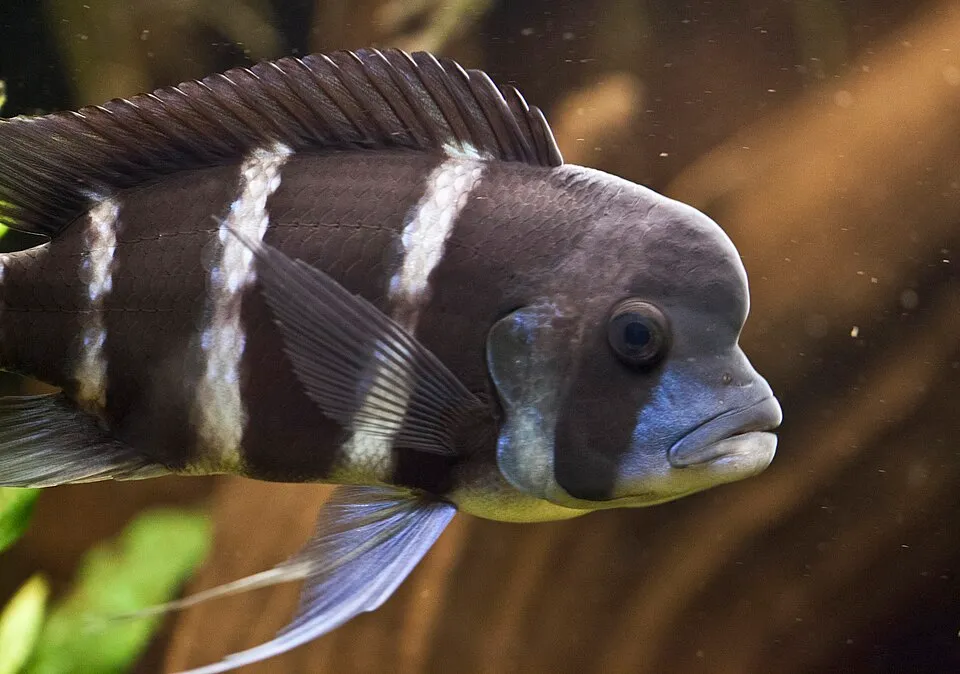
This is a colony fish, calmer than many big cichlids but still capable of aggression, so plan for a very large tank, 860 liters or more. They sit in the middle and lower water and are predators that ambush smaller fish in the wild, so do not house them with anything small enough to swallow. Feed quality cichlid pellets plus frozen shrimp or krill, and avoid feeder fish. Hard, alkaline water is essential.
In the wild
Frontosa live in the deep, rocky zones of Lake Tanganyika, often between 20 and 50 meters down. Down there the water is clear, cool, hard, and very alkaline. That is a tall order for a tank: you need hard water with a high pH, steady temperatures in the mid 20s C, and a lot of rock and cave structure. They are big, slow fish, so swimming room matters as much as the rockwork.
Good to know
Cyphotilapia frontosa is a large cichlid in the family Cichlidae, reaching around 32 cm. Adults develop the well-known nuchal hump on the forehead, which grows more pronounced with age. It is a maternal mouthbrooder and a slow grower, and breeding is on the difficult end. Conservation status is reasonably stable, though it faces pressure from collection and habitat change.
Did you know
Frontosa are long-lived for an aquarium fish and can pass 20 years with good care. That changes how you should think about them: buying one is closer to a two-decade commitment than a casual purchase, and breeders often track individual fish and bloodlines for color and hump quality over many years.
Where to buy
Some links may not be the exact species or variety.
- Aquatic Arts Freshwater fish, shrimp and snails with an arrive-alive guarantee
- LiveAquaria Freshwater and saltwater fish, inverts and corals
- Imperial Tropicals Freshwater fish and inverts bred at a Florida hatchery
- Aqua Huna Freshwater fish, shrimp and plants with a three day live arrival guarantee
…or ask your local fish store.
Appears in
Keeping Frontosa cichlid?
Track water tests, reminders and stocking fit.
Related species
Blue zaire frontosa
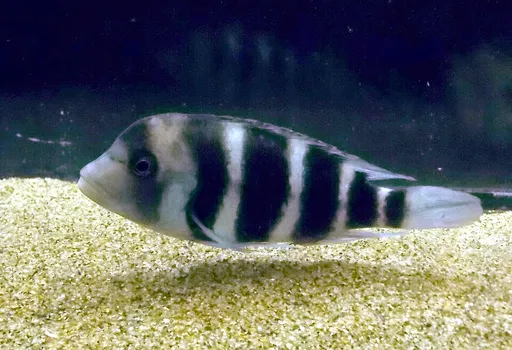
Cyphotilapia gibberosa13.8 in (35 cm)119 gal (450 L)75–81°F (24–27°C)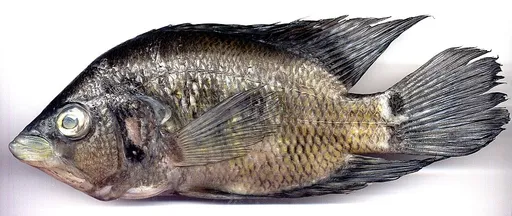
Basketmouth cichlid
Caquetaia kraussii11.8 in (30 cm)79 gal (300 L)79–86°F (26–30°C)
Gold Saum
Andinoacara rivulatus11.8 in (30 cm)75 gal (285 L)68–75°F (20–24°C)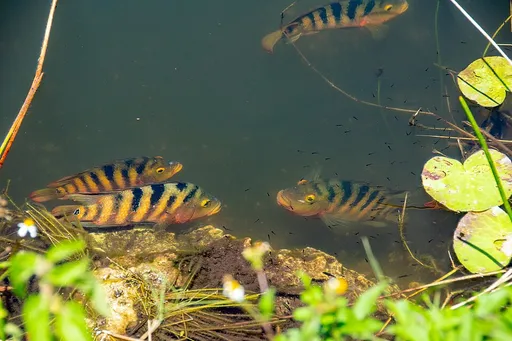
Mayan cichlid
Mayaheros urophthalmus11.8 in (30 cm)90 gal (340 L)75–86°F (24–30°C)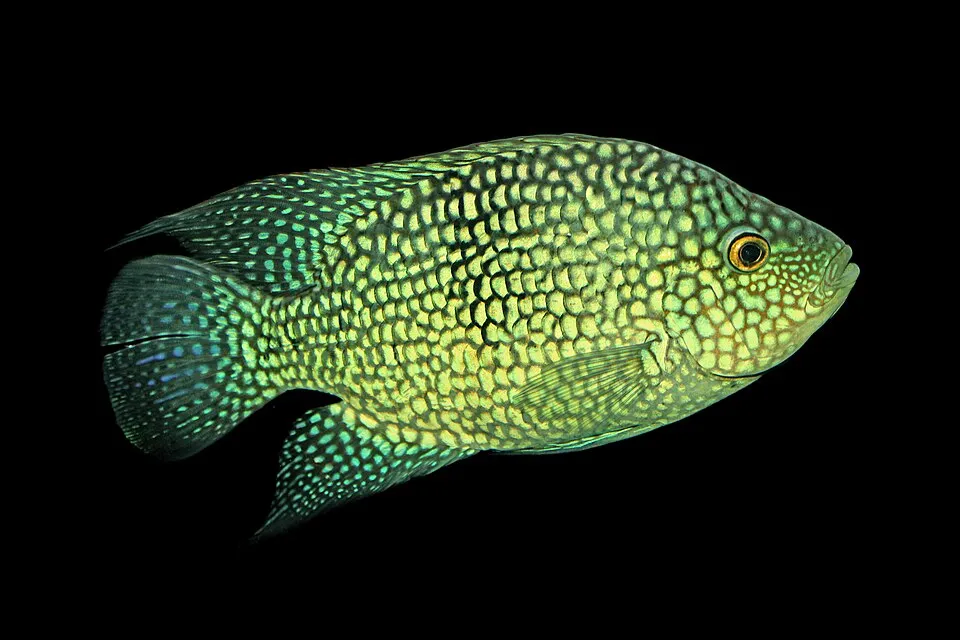
Pearlscale Cichlid
Herichthys carpintis11.8 in (30 cm)55 gal (210 L)75–79°F (24–26°C)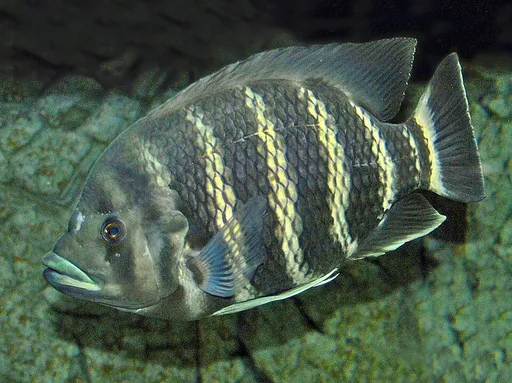
Zebra tilapia
Heterotilapia buttikoferi11.8 in (30 cm)159 gal (600 L)73–82°F (23–28°C)